
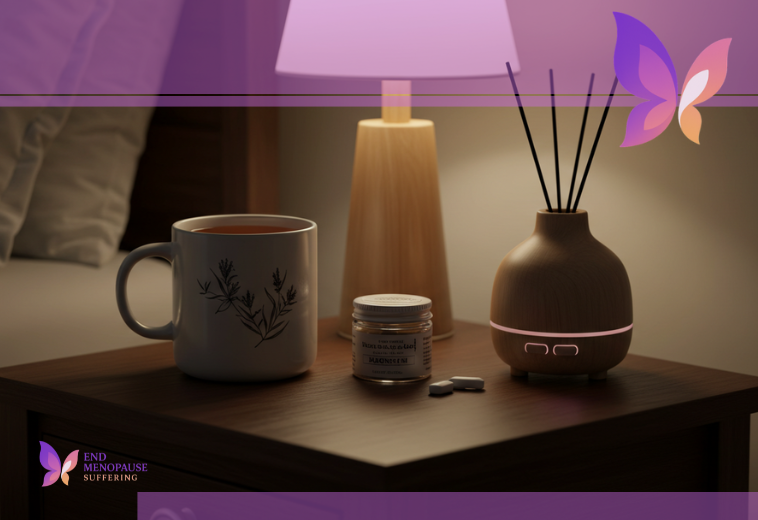
Up to 85% of menopausal women experience sleep disturbances, making restful nights feel like a distant memory. But before reaching for prescription sleep aids, explore these natural strategies that work with your changing body chemistry to restore peaceful sleep.
Understanding Menopausal Sleep Changes
Declining estrogen and progesterone levels disrupt your natural sleep-wake cycle in multiple ways. Estrogen helps regulate body temperature and supports REM sleep, while progesterone has natural sedating properties. Without adequate levels of these hormones, you may experience difficulty falling asleep, frequent night wakings, and early morning awakenings.
Hot flashes and night sweats further fragment sleep, creating a cascade of fatigue that affects every aspect of daily life. Additionally, decreased melatonin production and increased cortisol sensitivity make it harder to achieve the deep, restorative sleep your body needs.
Creating Your Sleep Sanctuary
Temperature Control Keep your bedroom between 60-67°F (15-19°C). Use moisture-wicking pajamas made from bamboo or merino wool, and consider a cooling mattress pad or pillow. Layer bedding so you can easily adjust throughout the night.
Light Management Install blackout curtains or use an eye mask to block all light sources. Blue light from screens suppresses melatonin production, so avoid devices for at least two hours before bedtime. If you must use devices, wear blue-light blocking glasses.
Sound Environment Use a white noise machine, earplugs, or soft background sounds to mask disruptive noises. Some women find nature sounds or gentle music helpful for maintaining sleep continuity.
Natural Sleep Promoters
Herbal Allies
- Valerian Root: Acts as a natural sedative by increasing GABA levels in the brain
- Passionflower: Reduces anxiety and promotes calm sleep
- Chamomile: Contains apigenin, which binds to brain receptors to induce sleepiness
- Magnolia Bark: Helps reduce cortisol levels and anxiety
Nutritional Support
- Magnesium: Take 300-400mg of magnesium glycinate 30 minutes before bed
- L-theanine: 100-200mg can promote relaxation without drowsiness
- Tart Cherry Juice: Natural source of melatonin when consumed 1-2 hours before sleep
- Calcium: Works synergistically with magnesium to support muscle relaxation
Evening Rituals Develop a consistent pre-sleep routine starting 90 minutes before bedtime. This might include a warm bath with Epsom salts, gentle stretching, reading, or journaling. The key is consistency—your brain needs clear signals that sleep time is approaching.
Timing and Lifestyle Factors
Circadian Rhythm Support Expose yourself to bright natural light within 30 minutes of waking and avoid bright lights in the evening. This helps maintain your body’s natural sleep-wake cycle.
Exercise Timing While regular exercise improves sleep quality, avoid vigorous workouts within four hours of bedtime. Evening yoga or gentle stretching can be beneficial.
Caffeine and Alcohol Limit caffeine after 2 PM, as it can stay in your system for 6-8 hours. While alcohol might initially make you sleepy, it disrupts sleep quality and can trigger night sweats.
Advanced Techniques
Cognitive Behavioral Therapy for Insomnia (CBT-I) This evidence-based approach helps retrain your brain’s sleep associations. Many online programs and apps offer guided CBT-I techniques specifically for menopausal women.
Acupuncture Studies show acupuncture can improve sleep quality and reduce hot flashes in menopausal women, often providing benefits that last for months.
Q&A
Q: I wake up drenched in sweat multiple times per night. Will natural remedies really help? A: Yes, but it may take a multi-pronged approach. Focus on cooling your environment, using moisture-wicking fabrics, and trying herbs like black cohosh or sage for hot flash management. Many women see improvement in night sweats within 4-6 weeks of implementing these strategies consistently.
Q: Is it safe to take multiple herbal sleep aids together? A: It’s best to start with one remedy at a time to assess effectiveness and avoid interactions. If you want to combine herbs, consult with a healthcare provider or herbalist familiar with menopause. Some combinations can be too sedating or may interact with medications.
Q: I’ve tried everything but still can’t sleep. Should I give up on natural approaches? A: Don’t give up yet. Sometimes it takes time to find the right combination for your body. Consider working with a sleep specialist who understands menopause, as you might have sleep apnea or other conditions that develop during this transition. Natural approaches can often work alongside medical treatments when needed.