
The journey through menopause brings many changes, from hot flashes and mood swings to sleep disruption and weight gain. While we’ve long understood the role of declining estrogen in these symptoms, emerging research reveals another key player in this complex transition: your gut microbiome.
The trillions of bacteria, fungi, and other microorganisms living in your digestive system don’t just help digest food—they actively communicate with your hormonal system in ways that can significantly impact your menopausal experience. Understanding this gut-hormone connection opens new doors for managing menopause naturally and effectively.
The Estrobolome: Your Gut’s Hormone Control Center
At the heart of the gut-hormone connection lies the estrobolome, a specialized collection of gut bacteria that can metabolize estrogen. These bacteria produce an enzyme called beta-glucuronidase, which reactivates estrogen that would otherwise be eliminated from the body.
When your estrobolome is healthy and diverse, it helps maintain optimal estrogen levels by recycling hormones that have been processed by the liver. However, when this bacterial community becomes imbalanced—a condition called dysbiosis—it can lead to either too much or too little estrogen circulation, potentially worsening menopausal symptoms.
How Gut Health Affects Menopausal Symptoms
Hot Flashes and Temperature Regulation Research suggests that women with more diverse gut microbiomes experience fewer and less severe hot flashes. Certain beneficial bacteria help regulate inflammation and support the production of neurotransmitters like serotonin, which plays a role in temperature control.
Mood and Mental Health The gut-brain axis becomes particularly important during menopause. Approximately 90% of serotonin, your body’s primary “feel-good” neurotransmitter, is produced in the gut. When gut bacteria are out of balance, serotonin production can be disrupted, contributing to anxiety, depression, and mood swings commonly experienced during menopause.
Weight Management and Metabolism Hormonal changes during menopause often lead to weight gain, particularly around the midsection. Your gut microbiome influences metabolism, fat storage, and insulin sensitivity. An imbalanced microbiome can make weight management more challenging during this transition.
Sleep Quality Poor gut health can disrupt the production of melatonin, the hormone that regulates sleep-wake cycles. Since sleep disturbances are already common during menopause due to hormonal fluctuations, maintaining gut health becomes crucial for restorative sleep.
The Inflammation Factor
Menopause naturally increases inflammation in the body, and an unhealthy gut microbiome can amplify this effect. Dysbiosis allows harmful bacteria to proliferate, leading to increased intestinal permeability (often called “leaky gut”) and systemic inflammation. This chronic inflammation can worsen menopausal symptoms and increase the risk of cardiovascular disease and osteoporosis.
Conversely, beneficial bacteria produce short-chain fatty acids like butyrate, which have powerful anti-inflammatory properties and help maintain the integrity of the gut lining.
Supporting Your Gut During Menopause
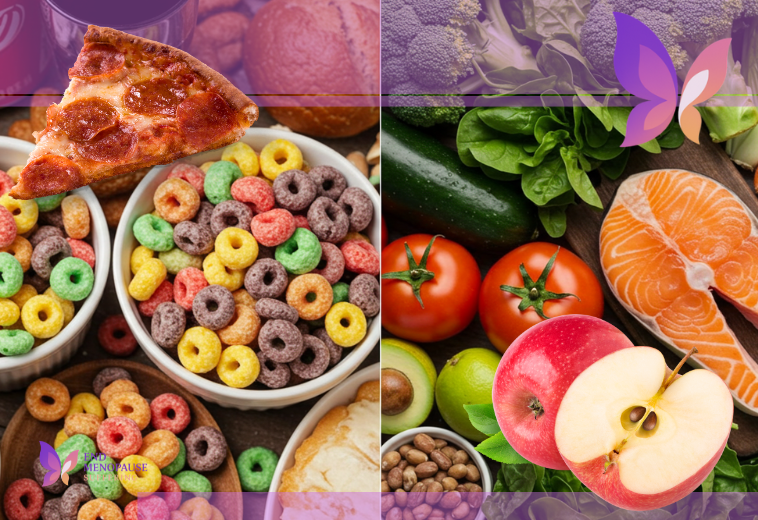
Prioritize Fiber-Rich Foods Aim for 25-35 grams of fiber daily from diverse plant sources. Vegetables, fruits, whole grains, legumes, nuts, and seeds feed beneficial bacteria and promote microbial diversity.
Include Fermented Foods Yogurt with live cultures, kefir, sauerkraut, kimchi, miso, and kombucha introduce beneficial probiotics to your gut ecosystem. Try to include at least one serving of fermented foods daily.
Consider Targeted Supplements High-quality probiotic supplements containing Lactobacillus and Bifidobacterium strains can help restore bacterial balance. Prebiotic supplements that feed beneficial bacteria may also be helpful.
Minimize Gut Disruptors Limit processed foods, artificial sweeteners, and unnecessary antibiotics, which can negatively impact gut bacteria diversity. Chronic stress also disrupts the microbiome, so stress management techniques are essential.
Stay Hydrated Adequate water intake supports the mucosal lining of the intestines and helps beneficial bacteria thrive.
The Role of Phytoestrogens
Certain gut bacteria can convert plant compounds called phytoestrogens into more active forms that can help compensate for declining estrogen levels. Foods rich in phytoestrogens include soy products, flaxseeds, sesame seeds, and legumes. However, the ability to benefit from these compounds depends on having the right gut bacteria to process them effectively.
Looking Forward: Personalized Approaches
As research advances, we’re moving toward more personalized approaches to menopause management based on individual microbiome profiles. Some healthcare providers now offer gut microbiome testing to identify specific imbalances and tailor interventions accordingly.
The gut-hormone connection represents a paradigm shift in how we understand and approach menopause. Rather than viewing it solely as an estrogen deficiency, we can now see it as a complex interplay between multiple body systems, with the gut microbiome playing a central role.
By nurturing gut health through dietary choices, lifestyle modifications, and targeted interventions when necessary, women can potentially ease their menopausal transition and support long-term health. This holistic approach acknowledges that optimal hormonal health extends far beyond the ovaries to encompass the entire body’s interconnected systems.
Q&A: Your Questions About Gut Health and Menopause
Q: How quickly can I expect to see improvements in my menopausal symptoms by focusing on gut health?
A: Individual responses vary, but many women notice improvements in digestive symptoms within 2-4 weeks of dietary changes. However, meaningful changes in menopausal symptoms like mood, sleep, and hot flashes typically take 2-3 months of consistent gut-supporting practices, as it takes time to restore microbial balance and reduce inflammation.
Q: Can probiotics replace hormone replacement therapy (HRT)?
A: Probiotics and gut health optimization should be viewed as complementary to, not replacements for, medical treatments. While supporting gut health can help manage some menopausal symptoms, women with severe symptoms should discuss all treatment options, including HRT, with their healthcare provider. A holistic approach often combines multiple strategies.
Q: Are there specific probiotic strains that are most beneficial during menopause?
A: Research suggests that Lactobacillus acidophilus, Lactobacillus rhamnosus, Bifidobacterium longum, and Bifidobacterium breve may be particularly beneficial for hormonal balance and menopausal symptoms. However, diversity is key, so choose supplements with multiple strains and focus on overall gut health through diet and lifestyle.
Q: What foods should I avoid to protect my gut health during menopause?
A: Limit highly processed foods, excessive sugar, artificial sweeteners (especially aspartame and sucralose), and foods high in saturated fats. Also be mindful of alcohol consumption, as it can disrupt gut bacteria balance and worsen menopausal symptoms like hot flashes and sleep disturbances.
Q: Can gut health issues cause early menopause?
A: While gut health doesn’t directly cause early menopause, chronic inflammation from gut dysbiosis may contribute to accelerated ovarian aging. Additionally, severe gut conditions that affect nutrient absorption could potentially impact reproductive hormone production. If you’re experiencing menopausal symptoms before age 45, consult with a healthcare provider.
Q: How do I know if my gut microbiome is affecting my menopausal symptoms?
A: Signs of gut-related hormonal imbalance include digestive issues (bloating, irregular bowel movements), mood swings that seem connected to eating patterns, skin changes, frequent infections, and difficulty managing weight. Some healthcare providers offer microbiome testing, but you can start by implementing gut-supporting strategies and monitoring symptom changes.
Q: Is it safe to take probiotics if I’m on hormone replacement therapy?
A: Generally, yes. Probiotics can actually support the effectiveness of HRT by helping maintain optimal hormone metabolism. However, always inform your healthcare provider about all supplements you’re taking, as they can provide personalized guidance based on your specific treatment plan and health status.