
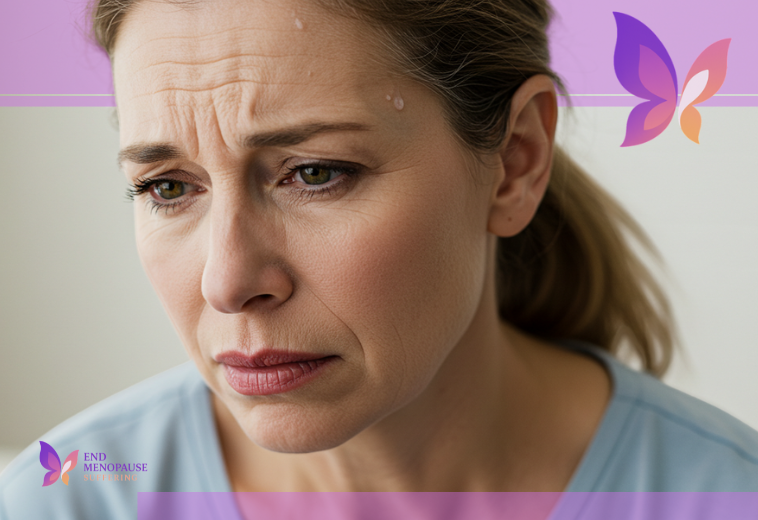
Coming to the end of menopause, also known as the post-menopause phase, is the final stage of a woman’s reproductive life. It’s marked by the cessation of menstrual periods for a full 12 consecutive months. While the journey through perimenopause and menopause can be complex and varied, there are specific signs that indicate you’re nearing the end of this significant transition. Understanding these signs can help you navigate this final stage with confidence and a sense of closure.
Understanding the Menopause Timeline
Before we delve into the signs of the final phase, it’s crucial to understand the overall menopause timeline.
- Perimenopause: This is the “menopause transition” phase, which can last anywhere from a few years to a decade. It’s characterized by fluctuating hormone levels, leading to irregular periods and the onset of classic menopause symptoms like hot flashes, night sweats, and mood swings.
- Menopause: This is the official point in time when you’ve gone 12 consecutive months without a menstrual period. At this point, your ovaries have largely stopped releasing eggs and producing significant amounts of estrogen and progesterone.
- Post-menopause: This is the period of time after menopause has occurred. You are in this phase for the rest of your life. While many symptoms subside, some may linger, and new health considerations, particularly bone health and heart health, become more prominent.
The signs we’ll discuss are most evident as you transition from perimenopause to menopause and enter the post-menopause phase.
The 12-Month Mark: The Definitive Sign
The most definitive and scientific sign that you have reached the end of the menopause transition is the absence of a menstrual period for 12 continuous months. This is the official medical definition of menopause. It’s a retroactive diagnosis. When you hit that 12-month mark, you can look back and say, “I went through menopause on [the date of your last period].”
This 12-month criterion is the golden rule because it indicates that your ovaries have ceased their cyclical function. Before this point, even if your periods are infrequent, a spontaneous period can still occur. Once this landmark is reached, the hormonal fluctuations of perimenopause are considered to have settled into a new, lower baseline.
1. A Shift in Period Irregularity
During perimenopause, periods are notorious for their unpredictability. They might be lighter or heavier, shorter or longer, and the time between them can vary wildly. As you approach the end of this phase, the irregularity often gives way to complete absence. Instead of periods getting less frequent, they may stop entirely. A woman might go 6 or 8 months without a period, only for a light one to suddenly appear. However, as the end of the transition nears, these “surprise” periods become much less common and eventually stop altogether.
2. The Waning of Vasomotor Symptoms
Vasomotor symptoms are the most recognizable signs of menopause. They include hot flashes (a sudden feeling of heat spreading through the body) and night sweats (hot flashes that occur during sleep). While these can be frequent and intense during perimenopause and early menopause, they typically begin to lessen in intensity and frequency as you move toward the post-menopausal stage.
It’s important to note that this isn’t a switch that flips overnight. For some women, hot flashes may linger for a few years into post-menopause, but they are generally less disruptive than they were during the peak of perimenopause. The body is adjusting to a new, lower level of estrogen, and the erratic surges that trigger these symptoms are becoming a thing of the past.
3. Improvement in Sleep Quality
Sleep disturbances are a very common complaint during perimenopause, often due to night sweats or anxiety. As hormonal fluctuations stabilize, many women report an improvement in their ability to fall and stay asleep. The nights of waking up drenched in sweat become less frequent, leading to more consistent and restful sleep. This shift can have a profound positive impact on overall well-being, mood, and energy levels.
4. Stabilization of Mood and Emotional Well-being
The hormonal roller coaster of perimenopause can lead to significant mood swings, irritability, and even increased anxiety or depressive symptoms. As you move toward the end of menopause, the hormone levels stabilize at a lower baseline, which often translates to a more stable emotional state. The unpredictable surges of estrogen and progesterone are no longer causing the brain’s neurotransmitters to go haywire. While other life factors can still affect mood, the hormone-driven emotional turbulence typically subsides.
5. Changes in Vaginal Health
As estrogen levels drop significantly, many women experience vaginal dryness and a thinning of the vaginal walls (a condition called vaginal atrophy). While these symptoms can persist into post-menopause, the change from a period of constant dryness and irritation to a more stable state can be a sign. It’s less of a “sign of the end” and more of a marker of a new normal. The body is no longer transitioning; it has settled into its post-menopausal state. Vaginal atrophy is a long-term consequence of low estrogen and often requires ongoing management with moisturizers or local estrogen therapy.
6. Decrease in Breast Tenderness
During perimenopause, breasts can become tender, lumpy, or swollen, similar to premenstrual symptoms. This is due to the fluctuating hormones. As you approach the end of menopause and your hormone levels remain consistently low, you’ll likely notice a significant decrease or complete cessation of this breast tenderness. This symptom is directly tied to the cyclical production of hormones, which has now stopped.
A Note on Health Beyond Symptoms
While the focus is often on the end of disruptive symptoms, it’s crucial to remember that post-menopause isn’t just a period of relief. The decrease in estrogen has long-term health implications, particularly for bone density and cardiovascular health. Regular check-ups, bone density scans, and conversations with your doctor about supplements (like calcium and vitamin D) and lifestyle changes are essential. The end of symptoms is a sign that one chapter is closing, and a new one focused on preventative health is beginning.
Frequently Asked Questions (Q&A)
Q1: How do I know for sure if I’m post-menopausal?
A: The only definitive way to know is by the 12-month rule. Once you’ve gone a full year without a menstrual period, you are officially in the post-menopausal phase. Your doctor can confirm this with a simple blood test measuring your Follicle-Stimulating Hormone (FSH) and estrogen levels, although this is often not necessary if you’ve met the 12-month criterion.
Q2: Will all my menopausal symptoms stop once I’m post-menopausal?
A: While many symptoms, like hot flashes and mood swings, tend to lessen or stop entirely, some can linger for years. Symptoms like vaginal dryness, decreased libido, and sleep issues can persist and may need ongoing management. The good news is that for most women, the intense and unpredictable symptoms of perimenopause give way to a more stable existence.
Q3: Can I get pregnant after I’ve reached the 12-month mark?
A: No. Once you’ve gone 12 consecutive months without a period, you are no longer considered fertile. Your ovaries have stopped releasing eggs, and your hormone levels are too low to support a pregnancy. This is why the 12-month rule is the key marker. However, if you are sexually active, it is still recommended to consult with your healthcare provider about contraception until you have met this criteria.
Q4: Should I continue to see my doctor about menopause after my periods have stopped?
A: Yes, absolutely. Post-menopause is not a time to stop caring for your health. The significant drop in estrogen increases your risk for conditions like osteoporosis and heart disease. Regular check-ups are essential for monitoring your blood pressure, cholesterol, bone density, and overall health to ensure you are aging as healthily as possible.
Q5: What’s the difference between perimenopause, menopause, and post-menopause?
A: Perimenopause is the transition period leading up to menopause, marked by hormonal fluctuations and irregular periods. Menopause is a single point in time—the date of your last period, retroactively confirmed after 12 months. Post-menopause is the rest of your life after that point. The terms can be confusing, but understanding the difference is key to knowing where you are on your journey.